

Interior Design Company Dubai: The Complete 2026 Guide
Interior Design Company Dubai: The Complete 2026 Guide
- admin2
- 0 comments
- 13 views
By Sisterly Interior Decoration LLC · Updated: July 2026
Key Takeaways
- Dubai interior design firms offer a full spectrum from concept to fit-out understanding what each service covers saves you time and money.
- Residential, commercial, and hospitality projects each require a different skill set; verify your firm’s sector experience before signing.
- Full-service costs range from AED 2,700/sqm (standard residential) to AED 21,500+/sqm (ultra-luxury) — see the 2026 pricing table below.
- Always confirm Dubai Municipality licensing before engaging any contractor or design firm.
- In-house design-and-build firms deliver tighter timelines and fewer coordination gaps than splitting the work between two parties.
Dubai’s built environment moves at a pace unlike anywhere else. Towers rise, communities take shape, and interiors — whether for a Palm Jumeirah villa, a Business Bay office suite, or a JBR restaurant — are expected to project a standard that matches the city’s global ambitions. Against that backdrop, the role of an interior design company in Dubai is not simply decorative. The right firm is a strategic partner that translates vision into built reality, on time and within budget.
The numbers confirm the momentum. The UAE interior design market was valued at around USD 3.58 billion in 2025 and is forecast to reach roughly USD 4.97 billion by 2030 at a CAGR of about 6.79%. Dubai holds close to 51.74% of that market — growing at around 7.18% annually — driven by a villa segment where supply remains constrained and prices have continued to climb into 2026. With only 15,284 villas scheduled for delivery in 2026, well-designed interiors have become one of the most reliable value-add strategies available to property owners.
This guide covers everything you need to evaluate, select, and work with a Dubai interior design company — from understanding what services are on offer and what 2026 design trends actually look like in practice, to knowing what questions to ask before you sign.
What Does an Interior Design Company in Dubai Actually Do?
The phrase “interior design” covers a wider range of services than most clients expect. A full-service firm in Dubai typically handles the entire pipeline from your first consultation through to the day you walk into a finished space.
Design consultation and space planning
The process begins with understanding how you live or work. A good designer asks about your daily routines, your aesthetic preferences, how many people occupy the space, and how the space needs to function at different times. From those conversations comes a space plan — a scaled layout that determines where walls, furniture, circulation paths, and focal points will sit. In Dubai’s villa market, where properties regularly exceed 370 sqm, getting space planning right is the single most important step in the entire process.
3D visualisation and concept boards
Before a single fixture is ordered or a wall is touched, reputable Dubai firms present photorealistic 3D renders of every major room. This is not a luxury add-on — it is standard practice and an essential checkpoint. Renders allow you to approve materials, finishes, furniture scale, and lighting positions before any irreversible decisions are made. Changes at the visualisation stage cost nothing; changes on-site cost significantly more.
Fit-out, procurement, and project management
Once designs are approved, the firm moves into execution. This encompasses joinery and carpentry, flooring, wall treatments, ceiling works, electrical and lighting installation, plumbing modifications, furniture procurement, and the final styling and accessorising of the space. Firms that handle all of this in-house — rather than outsourcing to separate contractors — provide tighter quality control and faster resolution of on-site issues.
Residential vs. Commercial vs. Hospitality Interior Design
Not every interior design company in Dubai excels across all three sectors. Choosing a firm with proven experience in your specific project type is essential.
Villa and apartment interior design
Residential projects in Dubai span everything from a one-bedroom Marina apartment to a 930 sqm villa on Emirates Hills. The key distinction is that residential design is deeply personal — it must reflect the homeowner’s lifestyle, cultural background, and aesthetic identity. A firm that only delivers generic “luxury” without a personalised approach will produce a space that feels like a showroom rather than a home. Look for portfolios that demonstrate varied styles, not one repeated formula.
Office and retail interior design
Commercial spaces in Dubai serve a dual purpose: they must function efficiently for the people who use them every day, and they must communicate the brand’s identity to every visitor who walks through the door. An office interior designer needs to understand acoustics, ergonomics, workflow, and technology integration in addition to aesthetics. Retail designers must consider footfall patterns, product sightlines, and the psychology of purchase decisions.
Restaurant, salon, and hotel interiors
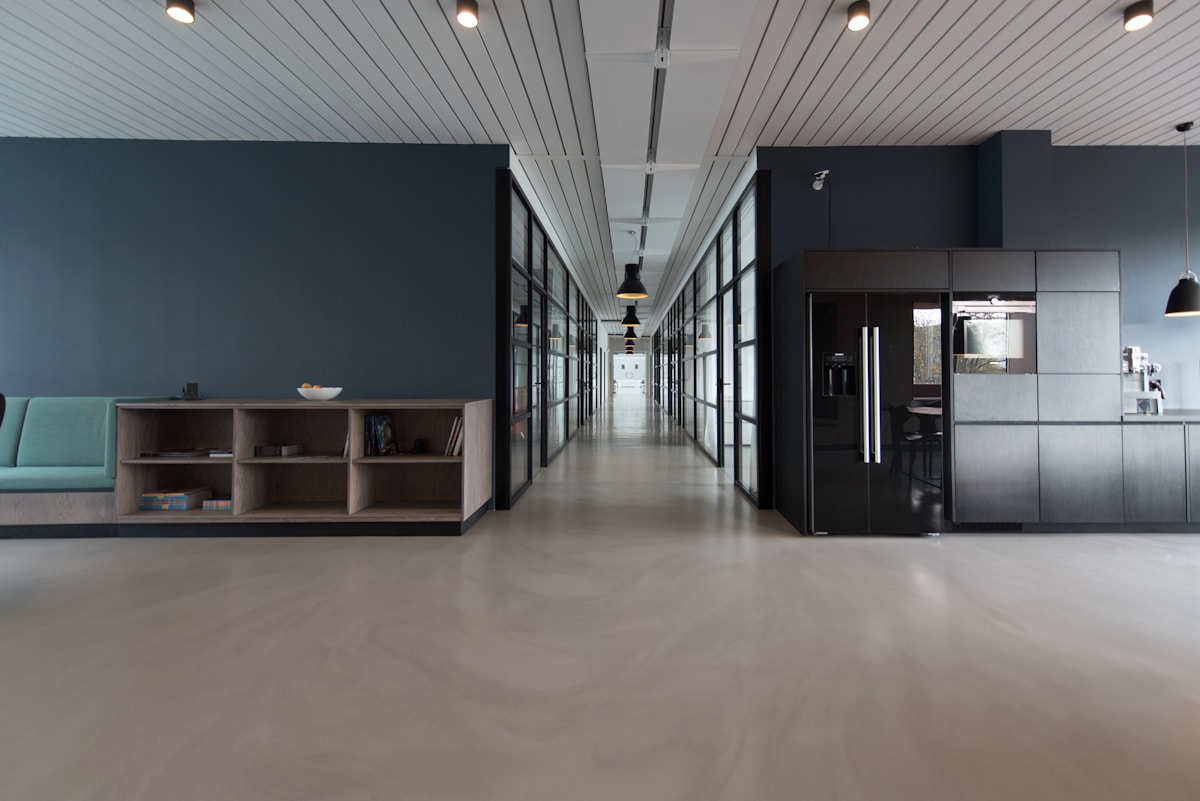
Hospitality design is its own discipline. A restaurant interior must create an atmosphere that encourages dwell time, supports service efficiency, and survives heavy daily use. A hotel lobby has to make an immediate impression and flow seamlessly into corridors, lifts, and guest rooms. Firms specialising in hospitality design have deep knowledge of the materials, furniture grades, and operational requirements that these environments demand.
What to Look for in a Dubai Interior Design Firm
Licensing and Dubai Municipality approval
All interior design and fit-out firms operating in Dubai must hold a valid trade licence and, for fit-out work, an approved contractor status with Dubai Municipality or the relevant free zone authority. Before engaging any firm, ask to see their licence number and verify it through the Dubai DED portal. This is not bureaucracy — it is your legal protection if disputes arise over workmanship, timelines, or material quality.
Portfolio depth and style versatility
A strong portfolio shows range. Be cautious of firms whose entire portfolio looks identical — same colour palette, same furniture suppliers, same layout logic. Great interior designers adapt their approach to each client’s brief. When reviewing a portfolio, look specifically for projects similar to yours in type (residential, commercial, hospitality), scale, and budget tier.
In-house vs. outsourced fit-out capability
Some design firms are design-only practices that hand execution to separate contractors. Others are fully integrated design-and-build firms. The integrated model has clear advantages: a single point of accountability, smoother communication between the design team and the site team, and faster resolution of any issues that arise during construction. If a firm outsources fit-out, ask specifically who the contractors are and how quality is monitored on site.
Interior Design Styles Popular in the UAE
Quiet luxury and warm minimalism (dominant 2026 trend)
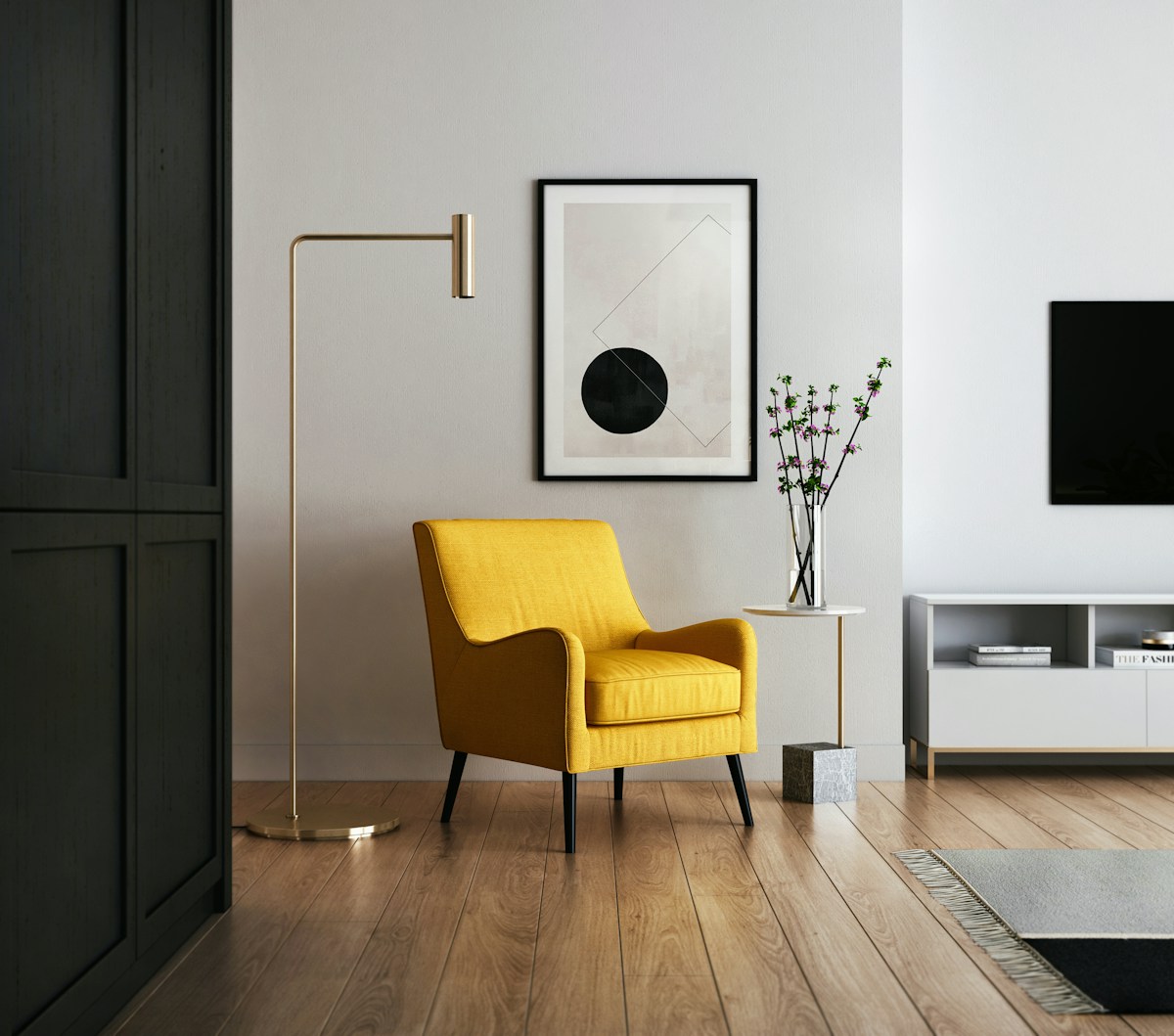
The defining direction across Dubai’s high-end residential market in 2026 is quiet luxury — interiors built on restraint, quality materials, and refined craft rather than maximalist statement pieces. This has evolved into what designers are calling “warm minimalism”: a softer, more tactile interpretation that layers surfaces and textures instead of stripping everything back to cold emptiness. The stark white walls and cool grey palettes that dominated 2018–2022 are firmly out.
The 2026 material palette: travertine and honed stone for floors and feature walls, walnut wood for joinery and panelling, brushed brass for hardware and lighting accents, linen and aged leather for upholstery. Colour bases are beige, cream, and warm sand — punctuated by deep navy, terracotta, or muted sage as accent tones.
Arabic and Arabesque influences
A distinctly UAE design language draws on Islamic geometric patterns, mashrabiya screens, ornate carved details, and a palette drawn from sand, terracotta, and deep indigo. When executed well, this style shapes light, controls privacy, and creates a sense of place that is uniquely rooted in the region. It can be applied as a full design language or as considered accent elements within a more contemporary scheme.
Biophilic design systems
Biophilic design has matured well beyond placing a few indoor plants near a window. In 2026, leading interior design companies in Dubai are specifying integrated biophilic systems: living walls with automated irrigation, interior courtyards with controlled natural light, water features calibrated for sound masking, and material selections — stone, timber, rattan — that maintain a textural connection to the natural world even in high-rise environments.
Invisible smart technology
Smart home integration is universal in new-build Dubai properties, but 2026’s design standard is for that technology to be entirely invisible. Speakers flush-mounted in ceilings, motorised blinds recessed into reveals, lighting systems controlled via concealed keypads or voice — the technology is present, the hardware is not. An interior design company in Dubai working on luxury residential projects should be specifying smart tech at the schematic design stage, not treating it as an afterthought.
Textured walls and tactile finishes
One of the clearest shifts in Dubai’s interior design market through 2025 and into 2026 is the replacement of flat painted walls with textured surface treatments. Limewash, Venetian plaster, micro cement, clay-based paint, and vertical wood-slat panels are being specified across residential and commercial projects as a way to add depth, warmth, and visual identity without adding furniture or decoration. These treatments perform particularly well in UAE interiors where the intensity of natural light reveals surface quality in ways a flat-paint wall cannot exploit.
Sustainability as a baseline standard
Where sustainability was previously a positioning choice for premium projects, in 2026 it is an expectation across the market. UAE clients are increasingly specifying repairable furniture over disposable pieces, low-VOC paints and finishes, recycled and reclaimed materials as accent elements, and modular joinery systems that can be adapted rather than replaced. This shift is reinforced by both the UAE’s Net Zero 2050 commitments and a growing client cohort who have experience with European sustainability standards.
How Much Does Interior Design Cost in Dubai?
2026 pricing by project type
Interior design and fit-out in Dubai is typically quoted on a per-square-metre basis for the combined cost of design, materials, and execution. The following ranges reflect 2026 market pricing across the UAE:
| Project Type | Cost per sqm (AED) |
|---|---|
| Standard residential | 2,700 – 4,300 |
| Mid-range apartment | 4,300 – 6,500 |
| Premium apartment | 6,500 – 8,600 |
| Luxury villa | 8,600 – 12,900+ |
| Ultra-luxury / branded residences | 13,000 – 21,500+ |
| Commercial office (Cat A standard) | 3,200 – 5,400 |
| Commercial office (premium / prestige) | 5,900 – 12,900+ |
| Retail fit-out | 3,800 – 7,500 |
| Hospitality / F&B | 7,500 – 15,100+ |
Design fees (separate from fit-out and procurement) are typically AED 1,900–5,900 per sqm for a full-service residential project, or 10–20% of the total project budget. All figures are subject to 5% UAE VAT.
What drives cost up or down
Material specification is the single largest cost variable. Italian marble versus porcelain tile, bespoke joinery versus imported flat-pack cabinetry, custom upholstery versus off-the-shelf furniture — each decision compounds across the entire project. Beyond materials, complexity of ceiling and wall treatments, the number of specialist subcontractors required, and the timeline (crash programmes cost more) all influence the final number significantly.
How to budget realistically
The most common budgeting mistake clients make is setting a number before they have a scope. Agree on what the project covers first — which rooms, what level of finish, whether furniture procurement is included — and then cost it. A good design firm will present a detailed cost plan before any commitment is required, and will work transparently with you on value engineering if the initial estimate exceeds your budget.
The Design Process Step by Step
Initial consultation to concept
The process begins with a discovery meeting where the designer learns about your project, your lifestyle or business, your aesthetic preferences, and your budget. From there, the team produces a concept presentation: mood boards, material palettes, and a preliminary space plan. This stage typically takes two to four weeks and results in an agreed design direction before any detailed work begins.
Design development and approvals
Once the concept is approved, the team develops it into full construction drawings, detailed specifications, and photorealistic 3D renders for each space. This is also when furniture, lighting, and material specifications are finalised and quotations from suppliers obtained. For any structural works or significant MEP changes, permit applications are submitted to Dubai Municipality at this stage.
Execution, fit-out, and handover
On-site work proceeds in phases: demolition and structural works first, then MEP rough-in, then finishing trades (plastering, tiling, joinery installation, painting), then furniture installation and final styling. A dedicated project manager oversees daily site activity and provides regular progress updates. At handover, the client is walked through the completed space with a snagging list to address any minor outstanding items.
Questions to Ask Before Signing a Contract
- Is your firm licensed with Dubai Municipality, and can I verify the licence number?
- Who will be my primary point of contact throughout the project?
- Do you handle fit-out in-house, or do you subcontract it?
- What does your quoted price include and exclude?
- What happens if the project runs over budget or timeline?
- Can I speak with two or three previous clients as references?
- What is the defect liability period after handover?
- How do you handle design changes once on-site work has begun?
Why Choose a Dubai-Based Firm vs. an International One
International design firms bring cachet and occasionally a fresh eye, but they introduce real practical risks for UAE projects. Local firms have established relationships with UAE material suppliers, subcontractors, and regulatory bodies. They understand the specificities of UAE construction — the way the climate affects material choices, the lead times for imports at Dubai ports, and how to navigate municipality approvals efficiently. A Dubai-based firm also has accountability that is physically present: you can visit the office, meet the project manager on site, and escalate issues in person if needed.
FAQ
How long does a typical interior design project take in Dubai?
A standard apartment redesign takes 8–14 weeks. A full villa fit-out runs 16–24 weeks. Commercial projects vary significantly by scope but plan for a minimum of 12 weeks for a medium-sized office. Timeline depends heavily on the complexity of joinery, the lead time of imported materials, and permit approval speed.
Do I need to be in Dubai throughout the project?
Not necessarily. Many Dubai design firms are experienced in managing projects for international clients or UAE residents who travel frequently. 3D renders, video walkthroughs, and digital approval workflows allow major decisions to be made remotely. You will need to be present — or represented — for key milestones: concept approval, material selections, and final handover.
Can an interior design company handle my fit-out approvals?
Yes. A full-service firm manages all permit applications and approvals on your behalf, including NOC from your building management, Dubai Municipality or free zone permits for structural works, and civil defence approvals if applicable. This is included in the scope of most integrated design-and-build contracts.
What is the difference between interior design and interior decoration?
Interior design involves spatial planning, structural and MEP modifications, and the technical specification of finishes and fixtures. It requires qualified professionals and often regulatory approvals. Interior decoration is a subset that addresses furniture, soft furnishings, art, and accessories within an already finished space. Many Dubai firms offer both under the same roof.
Ready to Start Your Project?
Sisterly Interior Decoration LLC brings together design, visualisation, and full fit-out under one roof — for residential, commercial, and hospitality projects across the UAE.