Majlis Design Dubai 2026: The Complete Guide to Traditional & Contemporary Heritage Interiors
Majlis Design Dubai 2026: The Complete Guide to Traditional & Contemporary Heritage Interiors
- admin2
- 0 comments
- 24 views
Key Takeaways
- Majlis design Dubai in 2026 blends Emirati heritage with modern comfort — a trend called Contemporary Heritage.
- Custom low-profile sofas have largely replaced traditional floor seating in premium majlis design Dubai projects.
- Costs range from AED 15,000 for a basic refresh to AED 400,000+ for a fully bespoke majlis design Dubai.
- 3D visualisation lets you preview every detail of your majlis design Dubai before a single piece is installed.
- Sisterly Interior covers the full process — from concept and 3D renders to fit-out and custom furniture.
Majlis Design Dubai 2026 is a comprehensive guide by Sisterly Interior Decoration LLC covering everything a Dubai homeowner needs to plan and execute a high-quality majlis project.
Majlis Design Dubai: Luxury Interiors for Modern and Traditional Homes
If you are planning a home renovation in the UAE, majlis design Dubai is one of the most important investments you can make. The majlis is far more than a reception room — it is the cultural heartbeat of a Gulf home, where family gathers, guests are welcomed, and the spirit of Emirati hospitality comes alive. At Sisterly Interior Decoration LLC, we have spent years helping homeowners across Dubai create majlis spaces that honour tradition while embracing contemporary luxury.
Whether you are renovating a villa in Jumeirah, fitting out a compound townhouse in Arabian Ranches, or creating a cultural corner in a Dubai apartment, this guide covers everything you need — from 2026 design trends and material specifications to real project costs and step-by-step process. Read on to discover why a beautifully executed majlis design Dubai project adds lasting value, cultural pride, and genuine everyday joy to your home.
Latest Majlis Design Dubai Trends for 2026
Modern Arabic Majlis Designs – Contemporary Heritage
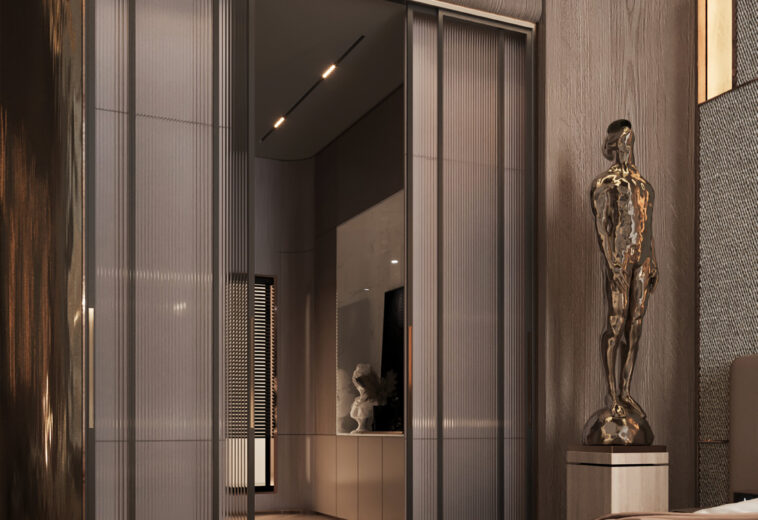
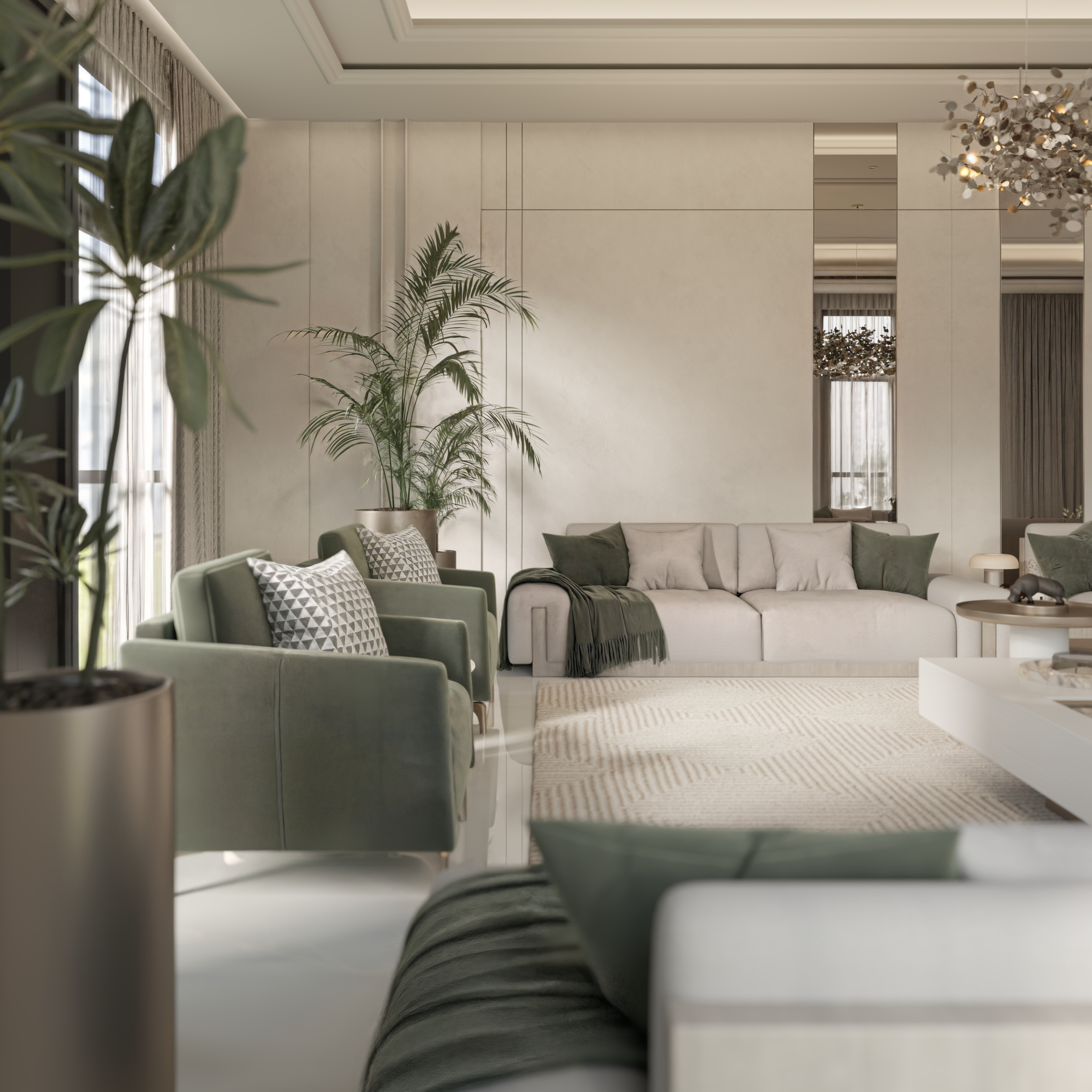
The leading majlis design trend for 2026 is Contemporary Heritage, blending traditional Arabic majlis elements with modern comfort and functionality. Features include low-profile seating inspired by traditional farsh arrangements, geometric decorative details, and contemporary interpretations of classic Gulf design elements.
Luxury Materials and Finishes
High-quality materials remain essential for a luxury majlis. Popular choices include:
- Flooring: Marble or large-format porcelain paired with premium wool rugs.
- Walls: Venetian plaster, textured finishes, mashrabiya screens, and Arabic-inspired feature walls.
- Upholstery: Durable linen, cotton, bouclé, and velvet fabrics.
- Ceilings: Gypsum plasterwork ranging from simple mouldings to decorative coffered designs.
The preferred colour palette features warm neutral tones such as sand, camel, taupe, and off-white, enhanced with bronze, gold, and rich accent colours.
Smart Lighting Solutions
Layered lighting is a key feature of modern majlis design, combining:
- Ambient lighting for overall brightness.
- Feature lighting such as chandeliers or traditional lanterns.
- Accent lighting using concealed LED strips for warmth and atmosphere.
Smart lighting controls are now a standard feature in premium majlis design Dubai projects, allowing easy adjustment for different occasions and moods.
Benefits of Custom Majlis Design Dubai Solutions
Enhanced Comfort for Everyday Majlis Living
A custom majlis design Dubai project is built around your household’s actual hospitality habits — not a generic template. Seating dimensions, the height of the coffee table, the number of USB charging points built into the bench joinery, the acoustic treatment of the walls — every detail is calibrated for how your family actually uses the space.
The result is a majlis that gets used every week rather than preserved under a dustcover for special occasions.
Personalised Majlis Design — Your Cultural Narrative
No two families have the same story. A personalised majlis design Dubai project weaves your specific cultural identity into the space — your family name rendered in custom Arabic calligraphy, a Quranic verse chosen by your parents, a geometric pattern that references your regional heritage. These are the touches that make a majlis feel irreplaceably yours.
At Sisterly Interior, we spend significant time in discovery consultation understanding this personal brief before a single line is drawn.
Increased Property Value Through Majlis Design Dubai
A well-executed majlis is one of the highest-returning renovation investments in the Dubai residential market. Buyers and tenants in the UAE — particularly in the luxury and ultra-luxury segment — actively seek properties with a defined, high-quality majlis space.
According to property experts at Property Finder UAE, homes with dedicated, professionally designed reception rooms consistently command a premium over comparable properties without them. A custom majlis design Dubai project is not just a lifestyle investment — it is a financial one.
How to Choose the Best Majlis Design Dubai Company
With dozens of interior design firms operating across Dubai, choosing the right partner for your majlis project requires careful evaluation. Here is what to look for:
- Ask to see completed majlis projects — not just generic luxury interiors. Cultural knowledge cannot be faked.Portfolio depth in cultural interior design:
- The best majlis design Dubai firms have their own furniture workshop or deeply trusted fabrication partners. Off-the-shelf furniture never fits a majlis room the way bespoke pieces do.Custom fabrication capability:
- You should be able to see a photorealistic render of your majlis before any fabrication begins. If a firm cannot provide this, walk away.3D visualisation included:
- Request a detailed cost breakdown by category — furniture, flooring, ceiling, lighting, accessories, and fees — not a single lump-sum quote.Transparent pricing:
- Ask for a written timeline with milestones, fabrication lead times, and handover date. Premium majlis design Dubai projects typically run 10–12 weeks from design sign-off to handover.Project management clarity:
Tip: Always visit a firm’s completed projects in person if possible. Photos rarely capture the quality of a gypsum ceiling, the hand of an upholstery fabric, or the warmth of a layered lighting scheme the way standing in the room does.
Majlis Design Dubai for Villas and Apartments
Independent Villa — Full-Scale Majlis Design Dubai
An independent villa — particularly in Jumeirah, Umm Suqeim, Al Barsha, or a custom-built property — typically has a dedicated majlis room already in the floor plan. This is where majlis design Dubai can be executed at full cultural scale: three-wall seating, a feature gypsum ceiling, a mashrabiya screen separating the majlis from the entrance foyer, bespoke coffee alcove joinery, and a smart lighting system.
For full villa projects, we always design the majlis in dialogue with the entrance foyer and the family sitting room — ensuring a coherent material and colour narrative throughout the home, not just an isolated statement room.
Compound Villa and Townhouse Majlis
In a compound villa or townhouse, the dedicated majlis room is often smaller or has been repurposed. The most practical solution is to reclaim the formal sitting room or a ground-floor bedroom. With smart furniture selection and a strong feature wall, a room as small as 20 sqm can read convincingly as a proper majlis.
Key moves for compact majlis design Dubai spaces: L-configuration seating along two walls, a mirrored feature wall to expand perceived volume, and a single plasterwork medallion rather than a full coffered ceiling treatment.
Apartment Majlis Design Dubai — The Corner Solution
Can you have a proper majlis in a Dubai apartment? Absolutely — and it is one of our most-requested briefs. The apartment majlis designates a corner of the main living area as the cultural zone, distinguished by:
- A change in flooring material — from marble or tile to a hand-knotted rug
- A lowered ceiling element — a fabric canopy or dropped plaster panel
- A dedicated lighting zone — separate dimmer circuit from the main living area
- A feature wall — Arabic calligraphy vinyl, geometric wallcovering, or a slim mashrabiya panel
No structural changes are required, making this approach feasible in both rented and owned apartments. We have executed this concept in everything from 80 sqm studios to 300 sqm penthouses — and in every case, the majlis corner becomes the most remarked-upon space in the home.
Outdoor Majlis Design Dubai — Garden and Tent Entertaining
Dubai’s spectacular winter climate (October to April) has driven significant growth in outdoor majlis design Dubai. Options range from a permanent pergola structure with weatherproof fabric seating to a full traditional Bedouin-style tent (khaimah) erected seasonally in a villa garden.
Structural outdoor additions may require a Dubai Municipality (DM) No-Objection Certificate (NOC) and potentially approval from your master developer. Semi-permanent tent structures typically do not require permits — making them a flexible, cost-effective option for seasonal outdoor entertaining. We advise on permit requirements at the start of every outdoor majlis brief.
Majlis Design Dubai Cost Guide — 2026 Pricing
One of the first questions in every consultation is: what will this actually cost? The table below is based on real 2026 project data from Sisterly Interior. All figures are in AED and include design fees, materials, custom furniture, and installation unless noted.
|
Scope |
Budget (AED) |
Per sqm (AED) |
What’s Included |
|
Basic Refresh |
15,000 – 40,000 |
1,000 – 2,500 |
New textiles, cushions, lighting — no structural work |
|
Mid-Range Redesign |
50,000 – 120,000 |
3,000 – 7,000 |
Custom sofas, feature wall, flooring, ceiling, lighting redesign |
|
Premium Bespoke |
120,000 – 400,000+ |
7,000 – 20,000+ |
Custom joinery, mashrabiya, hand-knotted rug, 3D design, bespoke furniture |
Costs vary significantly based on room size, ceiling height, complexity of the gypsum ceiling treatment, and custom furniture specification. Our 3D visualisation service — included in all mid-range and premium projects — allows you to approve every material and piece before fabrication, dramatically reducing change-order costs.
Our Majlis Design Dubai Process — From Brief to Handover
- Discovery Consultation (Week 1): We visit your property, measure the room, and understand your cultural brief, household hospitality habits, and budget. This conversation shapes every subsequent design decision.
- Concept and 3D Visualisation (Weeks 2–3): A full photorealistic 3D render of your majlis — furniture layout, ceiling treatment, palette, lighting, and key decorative elements. You see exactly what you are getting before committing to fabrication.
- Material Selection (Weeks 3–4): Physical samples of all textiles, flooring, gypsum finishes, and hardware — reviewed in your space, under your actual lighting conditions.
- Custom Fabrication (Weeks 4–10): Custom sofas, joinery, gypsum ceiling elements, and bespoke textiles fabricated in our workshop and with trusted craft partners. Premium lead times are typically 6–8 weeks.
- Installation and Styling (Weeks 10–12): Full installation — flooring, ceiling, lighting, furniture, accessories — delivered as a styled, photography-ready majlis at handover.
Frequently Asked Questions About Majlis Design Dubai
1. How much does majlis design Dubai cost in 2026?
Majlis design Dubai costs range from AED 15,000–40,000 for a basic refresh (new textiles, cushions, and lighting) up to AED 50,000–120,000 for a mid-range redesign with custom sofas and a feature wall. A full bespoke majlis design Dubai project with custom joinery, mashrabiya screens, and premium finishes typically runs AED 120,000–400,000+. Per-sqm rates range from AED 1,000 for basic refreshes to AED 20,000+ for premium bespoke work.
2. What is the difference between traditional and modern majlis design Dubai?
A traditional majlis features continuous floor-level farsh seating along three walls, deep jewel-toned fabrics, carved gypsum ceilings, and Arabic calligraphy — designed for formal, egalitarian guest reception. A modern majlis design Dubai (Contemporary Heritage style) retains the wall-seating concept and cultural craft elements but uses cleaner lines, a neutral sand-camel-gold palette, custom low-profile sofas, and layered contemporary lighting — creating a space that feels authentically Gulf and comfortably current at the same time.
3. Do I need a permit for majlis design Dubai renovations?
For internal majlis design Dubai renovations — new furniture, flooring, ceiling finishes, and lighting — no permit is required. If you are adding a structural extension, removing a load-bearing wall, or building a permanent outdoor majlis structure, you will need a Dubai Municipality (DM) NOC and potentially approval from your master developer. Sisterly Interior advises on all permit implications at the start of every project.
4. Can I have a majlis design Dubai solution in a rented apartment?
Yes — apartment majlis design Dubai is one of our most popular briefs. The solution designates a living room corner as the majlis zone using a statement rug, a feature wall (calligraphy, geometric wallcovering, or a slim mashrabiya panel), an L-shaped custom bench, and a dedicated lighting circuit. No structural changes are required, making this fully achievable in a rented apartment with landlord permission for decorative elements.
5. How long does a majlis design Dubai project take from start to finish?
A typical majlis design Dubai project at Sisterly Interior runs 10–12 weeks from design sign-off to styled handover. This includes 2–3 weeks for concept development and 3D visualisation, 1 week for material selection, and 6–8 weeks for custom fabrication and installation. A basic majlis refresh (no custom fabrication) can be completed in as little as 3–4 weeks.
Conclusion
A thoughtfully executed majlis design Dubai project is one of the most meaningful and value-accretive investments you can make in your home. It honours centuries of Gulf cultural tradition, creates a space that guests remember and remark upon, and — when done right — becomes the room your family gravitates toward every single week.
Whether you are starting from scratch in a new villa, reclaiming a townhouse sitting room, or carving a cultural corner into a Dubai apartment, the fundamentals are the same: cultural authenticity, custom materials, precise proportions, and layered lighting. Get these right, and the result is a majlis that will serve your family with grace and pride for decades.
At Sisterly Interior Decoration LLC, we bring the expertise, the craftspeople, and the cultural knowledge to make that happen — on time, on budget, and exactly as visualised.
✦ Ready to Begin Your Majlis Design Dubai Project? ✦
Contact Sisterly Interior Decoration LLC today for a no-obligation consultation. We will visit your property, understand your brief, and show you exactly what your majlis can become — in full 3D — before any commitment is made.
📞 Call or WhatsApp us | 🌐 sisterlyinterior.com | 📍 Dubai, UAE
Image Alt Text Recommendations
Use the following alt text for all images in this post. Alt text should be descriptive, include the focus keyphrase naturally, and remain under 125 characters.
|
Image Description |
Recommended Alt Text |
Notes |
|
Hero image of a luxury majlis room |
Luxury majlis design Dubai with custom gold sofas and geometric ceiling |
Primary keyword in first position |
|
Traditional Emirati floor seating |
Traditional majlis interior design Dubai with farsh seating and Sadu cushions |
Includes secondary keyphrase |
|
Contemporary Heritage majlis |
Contemporary Heritage majlis design Dubai with brushed brass mashrabiya screen |
Trend-focused alt |
|
Apartment majlis corner setup |
Majlis design Dubai apartment corner with L-shaped bench and Arabic calligraphy wall |
Long-tail apartment query |
|
Outdoor tent majlis |
Outdoor majlis design Dubai Bedouin tent khaimah with lanterns in villa garden |
Targets outdoor/villa audience |
|
Gypsum ceiling detail |
Gypsum plasterwork ceiling detail in luxury majlis interior design Dubai villa |
Material-specific search intent |
|
Pricing/cost comparison table |
Majlis design Dubai cost guide 2026 showing AED pricing tiers by scope |
Captures cost-intent searches |
Ready to Begin Your Majlis Design Dubai Project?
Start Your Majlis Design Dubai Journey
At Sisterly Interior Decoration LLC, we bring together cultural expertise, full 3D visualisation, and bespoke custom furniture to deliver majlis design Dubai projects that honour Emirati tradition and exceed modern expectations. From a single-room refresh to a complete villa fit-out, we manage every detail from concept to handover.
Get Your Free Consultation