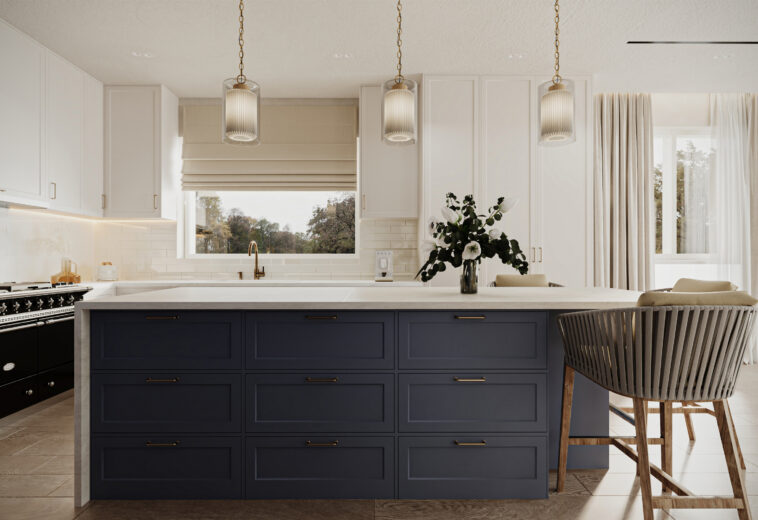
Office Interior Design Dubai 2026: A Complete Business Guide
Office Interior Design Dubai 2026: A Complete Business Guide
- admin2
- 0 comments
- 16 views
Office Interior Design Dubai 2026: A Complete Business Guide”},”content”:{“rendered”:”
Office interior design Dubai has entered a new era of complexity and commercial consequence. With over 850 licensed interior design and fit-out firms operating in the city, the benchmark for what well-executed office interior design in Dubai looks like has risen dramatically. This guide gives business owners, operations managers, and facility directors the complete 2026 picture — from design principles and pricing to WELL certification, ESG obligations, biophilic systems, and final handover.
See also: Interior design cost guide for Dubai and our overview of choosing an interior fit-out company in Dubai.
Key Takeaways
- Office interior design in Dubai must serve two audiences simultaneously: the people who work in the space and the clients and investors who visit it.
- 2026 office fit-out costs range from AED 1,900/sqm (budget shell) to AED 12,900+/sqm (prestige Cat B) — see the full pricing table below.
- WELL Building Standard and ESG compliance have moved from aspirational to core brief requirements for Dubai corporate fit-outs in 2026.
- LEED v4 registration closes 30 June 2026; new sustainability-rated projects fall under LEED v5, which weights decarbonisation at 50%.
- Mainland and free zone offices operate under different regulatory frameworks — confirm which applies before starting any office interior design work in Dubai.
- Open-plan layouts dominate but require deliberate acoustic management to remain productive — the most frequently underestimated element in Dubai office design.
Why Office Interior Design Dubai Matters More Than Ever in 2026
Attracting talent in a competitive market
Dubai’s workforce is international, mobile, and discerning. Professionals choosing between employers increasingly factor the physical working environment into their decision. A well-executed office interior design in Dubai — one that provides variety of working settings, prioritises comfort and natural light, and communicates a company’s values through its physical form — has become a genuine talent attraction and retention tool. The UAE wellness economy reached USD 40.8 billion in 2026, and nine in ten UAE residents say they prioritise healthy working environments when choosing where to work. Businesses that invested in compelling office interior design in Dubai have found it measurably easier to bring staff back voluntarily and consistently.
Brand identity and client impressions
In Dubai’s business culture, first impressions carry significant weight. A client visiting a poorly maintained or visually inconsistent office interior design in Dubai forms an immediate and difficult-to-reverse judgement. Conversely, an office that communicates confidence, attention to detail, and a clear design vision signals the same qualities about the business itself. This is especially true for professional service firms in law, finance, and consulting — and for any business where client visits are a core part of the commercial relationship.
Types of Office Spaces and Design Approaches
Open-plan collaborative offices
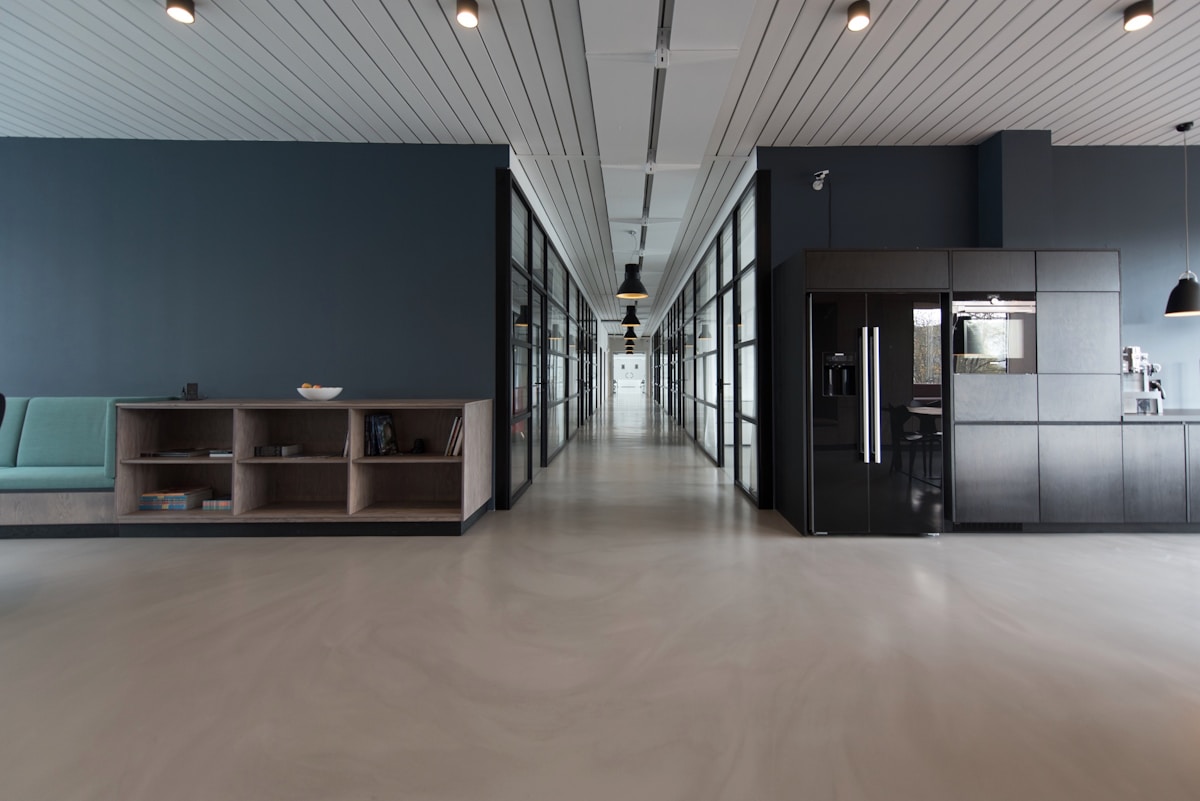
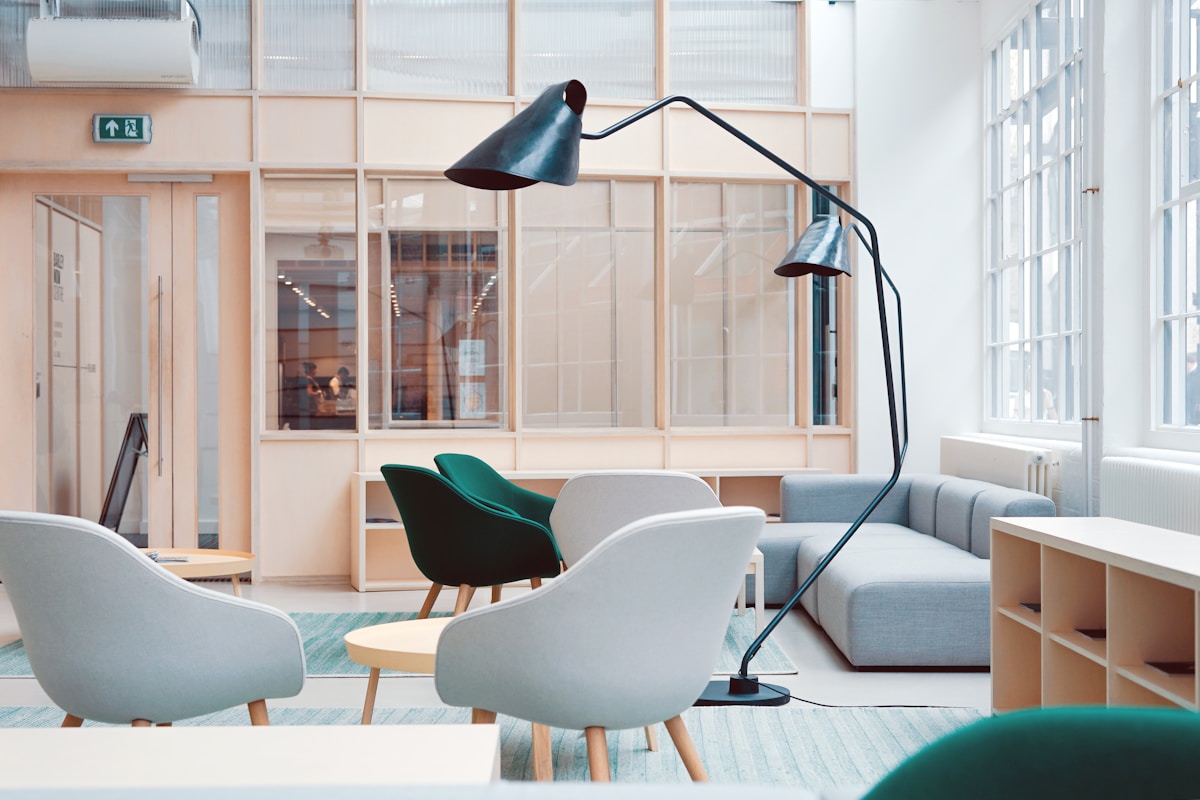
The open-plan office has become the default layout for most Dubai workspaces in 2026. If your team also needs a home base, our apartment interior design Dubai guide covers residential fit-out principles that often apply to live-work spaces. It maximises usable floor area per employee, encourages informal collaboration, and creates a collective energy that is visible to every visitor. The design challenge in open-plan office interior design in Dubai is managing noise propagation, lack of visual privacy for focused work, and accommodating different working styles simultaneously. A well-considered open-plan office interior design in Dubai addresses these through acoustic ceiling systems, semi-enclosed focus pods, soft furniture clusters for informal meetings, and deliberate planting that absorbs sound while adding visual warmth.
Private offices and executive suites
Private offices remain essential for senior leadership, legal or confidential meetings, and roles requiring sustained concentration. In Dubai, executive office interior design projects are expected to project the status and standing of their occupant — through material quality, furniture specification, and spatial generosity. The design of a CEO’s office in a Dubai business tower requires the same bespoke consideration as a high-end residential interior: custom joinery, commissioned furniture, curated artwork, and lighting designed for the specific room.
Hybrid workspaces and hot-desking
Many Dubai businesses now operate hybrid working arrangements where a significant portion of staff work remotely on any given day. This creates both an opportunity and a design challenge for office interior design in Dubai: the office footprint can shrink while the quality per workstation increases. Hot-desking environments require robust locker and storage solutions, reliable wireless infrastructure at every point, and a variety of workstation types — standing desks, enclosed focus booths, collaborative benching — that accommodate different tasks and preferences throughout the day.
Design Principles for Dubai Offices
Ergonomics and productivity-driven layouts
Good office interior design in Dubai starts with understanding actual workflow: which teams need to interact frequently, which roles need isolation, where the high-traffic circulation routes run, and how the space can support the business’s real working patterns. A layout that looks good on a plan but places the coffee station at the opposite end of the office from the team that uses it most frequently generates daily friction that compounds into real lost productivity.
Biophilic design elements
Biophilic design — incorporating natural materials, living plants, natural light, and views of nature into built environments — is well-established as a productivity and wellbeing enhancer. In 2026, living walls, water features, and integrated planting systems have moved from nice-to-have to a core pillar of high-performing office interior design in Dubai. The same biophilic principles define our approach to living room interior design in Dubai. In Dubai’s built environment, where many offices lack natural views and the outdoor climate limits natural ventilation, biophilic office interior design in Dubai becomes especially important. Integrated planting along partitions, moss walls in reception and breakout areas, natural stone and timber surfaces, and maximum exploitation of available daylight are standard tools in a well-considered brief.
Acoustic management in open offices
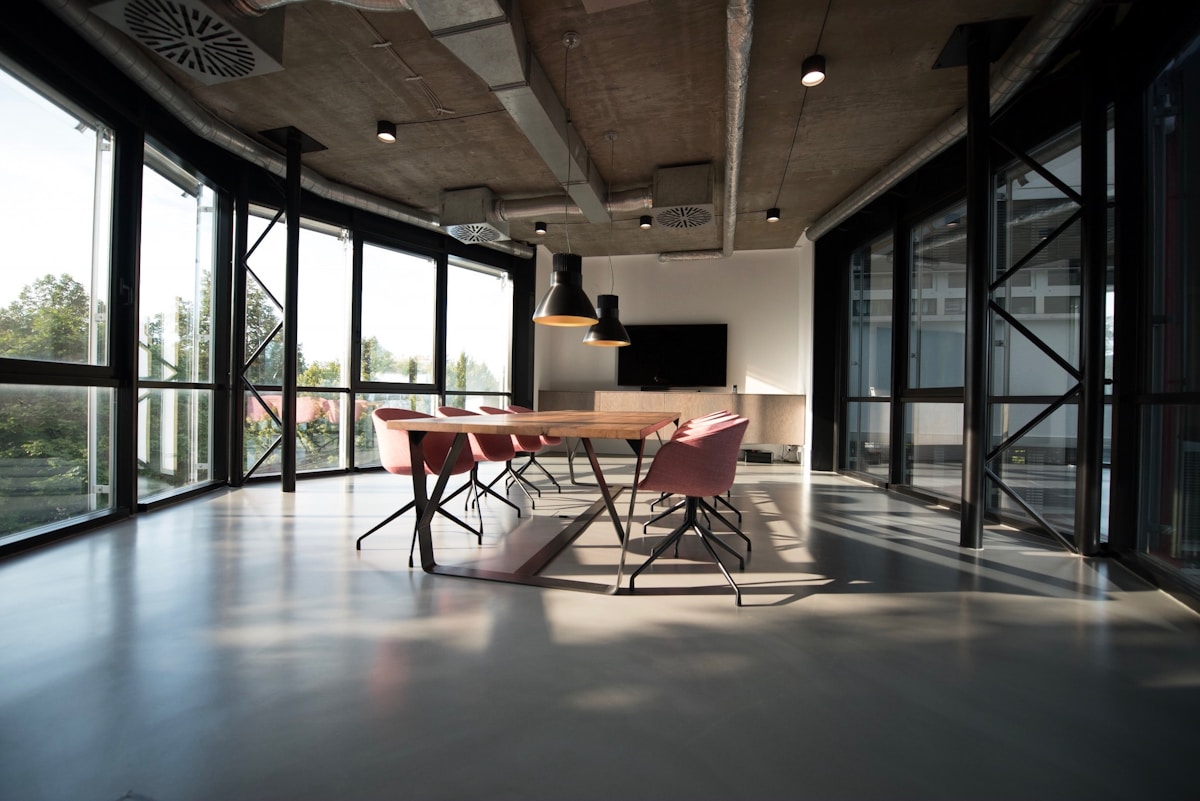
Acoustic performance is the most frequently underestimated element in Dubai office design. An open-plan space with hard concrete floors, glass partitions, and exposed concrete ceilings — all popular aesthetic choices in contemporary commercial interiors — creates a reverberation problem that makes focused work and telephone communication difficult. Effective office interior design in Dubai requires acoustic ceiling panels or absorptive tiles, soft floor coverings in key zones, soft upholstery on furniture, and the strategic placement of acoustic baffles and screens where sound needs to be managed most tightly.
Space planning tip: Plan 8–12 sq m per person for open-plan workstations, plus 30–40% additional area for reception, meeting rooms, and circulation. For a 20-person team, allow a minimum of 300–400 sq m total. Executive offices typically require 15–25 sq m per occupant.
WELL Building Standard in Dubai Office Interior Design (2026)
The WELL Building Standard is a performance-based certification framework that measures ten categories: air, water, nourishment, light, movement, thermal comfort, sound, materials, mind, and community. In 2026, the UAE is in an active exploration phase — an increasing number of Dubai corporate tenants are referencing WELL in their office interior design briefs as a documented target rather than an aspiration.
The commercial case is clear. With 90% of UAE residents stating they prioritise healthy working environments and the broader UAE wellness economy at USD 40.8 billion, WELL-aligned office interior design in Dubai produces measurable gains in staff productivity, absenteeism reduction, and retention. For companies competing for international talent in Dubai’s tight labour market, a WELL-certified or WELL-pursuing office is a differentiated offer that can be quantified in a business case.
Practically, WELL alignment for a Dubai office interior design project typically involves: specifying low-VOC paints and adhesives, designing for circadian lighting with tunable colour temperature throughout the day, ensuring adequate fresh-air ventilation rates above ASHRAE minimums, providing ergonomic furniture across all workstations, and incorporating access to daylight for the majority of workstations. None of these require formal certification to deliver the productivity benefit — partial WELL alignment is valuable even without pursuing the credential.
ESG in Dubai Office Fit-Outs
ESG — Environmental, Social, and Governance — has become a core component of the corporate office fit-out brief in the UAE. According to ValuStrat research, clients who previously listed sustainability as aspirational are now specifying sustainable materials, low-VOC finishes, energy-efficient lighting, and water-saving fixtures as documented requirements with measurable targets. For any credible office interior design company in Dubai, ESG literacy is now table stakes.
The most significant 2026 development is the transition from LEED v4 to LEED v5. The USGBC closes LEED v4 registration on 30 June 2026; LEED v5 weights decarbonisation at 50% of the scorecard — a fundamental shift that places embodied carbon in materials, operational energy performance, and end-of-life planning at the centre of any sustainability-rated office interior design in Dubai. Projects must now be registered under v5 to remain valid beyond mid-2026.
On the social and governance sides, office interior design plays a direct role: inclusive design (accessible layouts, neuro-inclusive quiet spaces, gender-neutral facilities), supply chain transparency for specified materials, and documented wellbeing policies that are physically enabled by the space. The design firms in Dubai best positioned for 2026 briefs are those that can report against these metrics, not just design to aesthetic standards.
2026 Office Interior Design Trends in Dubai
Adaptable and flexible layouts
Post-pandemic headcount uncertainty has made adaptability the single most requested feature in 2026 Dubai office interior design briefs. Movable wall systems, modular furniture, and reconfigurable meeting rooms that can contract or expand as the business evolves are now standard expectations rather than premium additions. A space that can be reconfigured without a fit-out contractor reduces long-term cost and extends the life of the office interior design investment in Dubai.
Brand-driven office identity
The era of the generic “contemporary office” is ending. In 2026, the strongest office interior design in Dubai is immediately identifiable as belonging to a specific company — with its culture, values, and commercial identity embedded in spatial layout, material selection, and graphic elements throughout. Brand-driven office interior design in Dubai is also a more effective client-facing tool, communicating the company’s proposition before a word has been spoken.
Wellness-first design: air, acoustics, light, and ergonomics
The convergence of WELL Building Standard awareness and the UAE’s wellness economy has put air quality monitoring, circadian lighting systems, acoustic performance targets, and ergonomic furniture specifications at the centre of high-performing office interior design in Dubai. Businesses treating these as line items to cut are increasingly finding themselves at a competitive disadvantage in talent markets.
Mainland vs. Free Zone Office Interior Design Considerations
Dubai businesses operate under either mainland DED licensing or free zone authority frameworks — and these directly affect the office interior design and fit-out process. Mainland offices require fit-out contractor approval from Dubai Municipality; permit applications and civil defence NOC are mandatory for any significant works. Free zone offices (DIFC, DAFZA, Dubai Media City, and others) operate under their own authority frameworks with separate approval processes and, in some cases, their own approved contractor lists. Your office interior design and fit-out contractor must be experienced in the specific regulatory framework that governs your office — confirm this explicitly before appointment.
Branding Your Office Space in Dubai
Reception and front-of-house design
The reception area earns a disproportionate share of the office interior design budget in Dubai because it is the only space every visitor sees. A reception that is generous in scale, clear in its use of brand colours and materials, and comfortable for waiting clients communicates professionalism before a word has been spoken. Key elements: a statement reception desk in branded materials (backlit stone, custom joinery), a feature wall using the company’s logo or brand-relevant graphic element, curated seating that is comfortable rather than merely decorative, and lighting designed to make the space look its best at all hours.
Colour, material, and signage alignment
The most successful Dubai office interiors treat the office interior design brief as an extension of the company’s brand guidelines — using the brand’s primary and secondary colours in considered ways across materials and finishes rather than painting every wall in the brand colour. Wall graphics, wayfinding signage, and environmental branding elements (custom ceiling installations, branded room names, logo applications in materials) are developed with the same rigour as the physical design of the space.
Technology Integration in Modern Dubai Offices
AV systems, collaboration tools, and server rooms
A Dubai office without robust AV infrastructure is commercially handicapped in a city where international video conferencing, client presentations, and boardroom pitches are daily events. Every meeting room should have integrated display screens, high-quality video conferencing cameras and microphones, and wireless presentation capability. Server rooms and IT infrastructure must be planned from the start of the office interior design process in Dubai — position, power supply, cooling, and cable management all need to be incorporated into the fit-out design, not retrofitted.
Smart lighting and climate control
DALI-controlled lighting systems allow individual office zones to be managed separately — bright task lighting for workstations, warmer ambient light in breakout areas, and automatic daylight harvesting that dims artificial lights when natural light is sufficient. In a Dubai office where air conditioning runs continuously and energy costs are significant, smart climate zoning — cooling occupied zones only, setting back unoccupied areas — reduces energy consumption meaningfully. In 2026, these systems directly support both WELL alignment and ESG reporting targets for any office interior design project in Dubai.
The Fit-Out Process for Office Spaces in Dubai
Shell and core vs. Cat A vs. Cat B
Office fit-out in Dubai is delivered in stages corresponding to the level of completion required:
- Shell and core: The raw building — structural frame, envelope, and base MEP risers only. Tenants receive an empty shell and are responsible for all office interior design in Dubai from this point.
- Category A: The landlord brings the space to a basic lettable standard — raised floors, suspended ceilings, lighting, fire and life safety systems, and basic HVAC distribution. The tenant then completes to their requirements.
- Category B: The tenant’s full fit-out — partitioning, finishes, joinery, specialist lighting, furniture, branded elements, and AV. This is what most clients mean when they say “office interior design in Dubai.”
Understanding which level you are starting from is critical for accurate budgeting. See our detailed fit-out company guide for further guidance on scoping and appointing a contractor.
Approvals and timelines in Dubai
A typical Category B office interior design project in Dubai requires landlord approval, building management NOC, Dubai Municipality permit (or free zone authority approval), and civil defence clearance for life safety systems. These approvals are sequential; planning for 3–6 weeks of approval lead time before on-site works begin is essential. Total project duration for a mid-size office (500–1,500 sq m) runs 12–20 weeks from brief to handover including design, approvals, procurement, and construction.
Office Interior Design Cost in Dubai — 2026 Pricing
The table below reflects current 2026 AED market rates for office interior design in Dubai. For a full breakdown including consultancy, furniture, and AV, see our interior design cost guide. Prices shown per sq m (1 sqft ≈ 0.093 sqm; 1 sqm ≈ 10.76 sqft).
| Fit-Out Category | Cost per Sq M (AED) — 2026 | Cost per Sq Ft (AED) — 2026 | Example: 93 sqm office |
|---|---|---|---|
| Budget / Cat A shell | AED 1,900–3,200 | AED 180–300 | AED 177,000–298,000 |
| Standard Cat A commercial | AED 3,200–5,400 | AED 300–500 | AED 298,000–502,000 |
| Mid-range Cat B (Business Bay, DIFC) | AED 4,300–7,000 | AED 400–650 | AED 400,000–651,000 |
| Premium / prestige Cat B | AED 5,900–12,900+ | AED 550–1,200+ | AED 549,000–1,200,000+ |
Furniture, AV systems, and IT infrastructure are typically quoted separately and can add 20–40% to the base office interior design cost in Dubai depending on specification level. Premium biophilic systems (living walls, water features) and WELL-aligned MEP upgrades add further cost but deliver measurable ROI in staff productivity and retention.
FAQ: Office Interior Design Dubai 2026
How much does office interior design cost in Dubai in 2026?
Office interior design in Dubai in 2026 ranges from AED 1,900–3,200/sqm for a basic shell or Cat A, AED 3,200–5,400/sqm for standard Cat A commercial, AED 4,300–7,000/sqm for mid-range Cat B offices (Business Bay, DIFC), and AED 5,900–12,900+/sqm for premium or prestige fit-outs. Furniture, AV, and IT are typically quoted separately and can add 20–40% to base cost.
What is the WELL Building Standard and why does it matter for Dubai offices?
The WELL Building Standard measures ten categories including air, water, light, movement, thermal comfort, and acoustic performance. In 2026, the UAE is in an active exploration phase for WELL. With 90% of UAE residents prioritising healthy working environments and the UAE wellness economy at USD 40.8 billion, WELL-aligned office interior design in Dubai has become a measurable talent-attraction argument — even without formal certification.
What ESG requirements apply to Dubai office fit-outs in 2026?
ESG is now a core brief component for UAE corporate fit-outs. Clients routinely specify sustainable materials, low-VOC finishes, energy-efficient lighting, and water-saving fixtures as documented requirements. LEED v5, which weights decarbonisation at 50%, is the new benchmark — LEED v4 registration closes 30 June 2026. Any credible office interior design company in Dubai should be able to report against these ESG metrics.
How much space per person should I plan for in a Dubai office?
Plan 8–12 sq m per person for open-plan workstations, plus 30–40% additional area for reception, meeting rooms, and circulation. For a 20-person team, allow a minimum of 300–400 sq m total. Executive offices in Dubai typically require 15–25 sq m per occupant.
How long does a Dubai office fit-out take from brief to handover?
A mid-size office interior design project in Dubai (500–1,500 sq m) typically runs 14–20 weeks from brief to handover: 4–6 weeks for design and approvals, 2–4 weeks for procurement of long-lead items, and 8–12 weeks for construction. Simpler or smaller projects can complete faster; complex multi-floor office interior design projects take longer.
Do I need to restore my Dubai office to its original condition when I leave?
Most Dubai commercial leases include a make-good clause requiring tenants to restore the space to its original shell-and-core or Cat A condition on exit. Confirm the specific requirements with your landlord before planning any permanent or structural modifications in your office interior design in Dubai.
Can office fit-out works happen outside business hours in Dubai?
Yes, and for occupied mixed-use towers it is often required by building management. Noisy works (demolition, drilling, heavy construction) are typically restricted to evenings and weekends in Dubai. After-hours working attracts a labour premium of approximately 25–35%, which should be factored into the office interior design project budget from the outset.
Design an Office Your Team and Clients Will Remember
Sisterly Interior Decoration LLC delivers end-to-end office interior design in Dubai — from concept and brand alignment through to permit management, WELL-aligned specification, and handover. Every project includes full 3D visualisation before any work begins on site.